Investigating Links Between Funding Methods and Long-Term Activity Levels in Worldwide Virtual Poker Communities

Virtual poker communities have expanded across continents since the early 2000s, with funding methods evolving alongside player preferences and regulatory shifts. Researchers track how deposit options such as bank transfers, e-wallets, credit cards, and cryptocurrencies correlate with session frequency, retention rates, and overall participation spans in online environments. Data collected from platforms operating in multiple jurisdictions shows distinct patterns emerging when players adopt different payment systems over extended periods.
Payment Options and Player Retention Patterns
Studies examining transaction logs from major operators indicate that users who rely on e-wallets often maintain higher activity levels across multi-year timelines compared with those limited to traditional bank wires. Figures from industry reports reveal that instant processing features associated with certain digital wallets reduce friction during deposits, which in turn supports more consistent logins throughout the year. Observers note that regions with widespread mobile banking infrastructure see accelerated adoption of these methods, particularly where cross-border play occurs regularly.
Meanwhile cryptocurrency funding has gained traction in areas with fluctuating local currencies, and transaction data from 2025 through early 2026 demonstrates steadier long-term engagement among players who integrate digital assets into their routines. Analysts point to reduced intermediary fees and faster confirmation times as factors that encourage repeated participation, though volatility in asset values introduces additional variables that researchers continue to monitor.
Regional Differences in Funding and Engagement
European markets display varied correlations between funding choices and activity longevity, with data from the European Gaming and Betting Association highlighting how regulatory frameworks influence available options and subsequent player behavior. Platforms serving multiple countries report that participants using region-specific payment solutions tend to sustain tournament involvement longer when those methods align with local banking norms. In contrast, North American communities show stronger retention linked to integrated mobile payment apps, according to analyses of activity metrics gathered during 2025.
Australian operators document similar trends, where players favoring prepaid cards and digital wallets exhibit extended session durations and higher return rates over twelve-month intervals. Research compiled by the Australian Gambling Research Centre connects these patterns to seamless verification processes that minimize downtime between funding actions and game participation.
Data Trends Observed in Mid-2026
Activity reports released in June 2026 reflect continued growth in hybrid funding approaches, combining traditional cards with emerging digital solutions across global networks. Longitudinal datasets reveal that communities encouraging diversified deposit methods record elevated monthly active user counts, particularly when promotional incentives tie directly to transaction speed. Those who've analyzed platform metrics note that players switching from slower methods to faster alternatives often increase their participation frequency within the first quarter following the change.
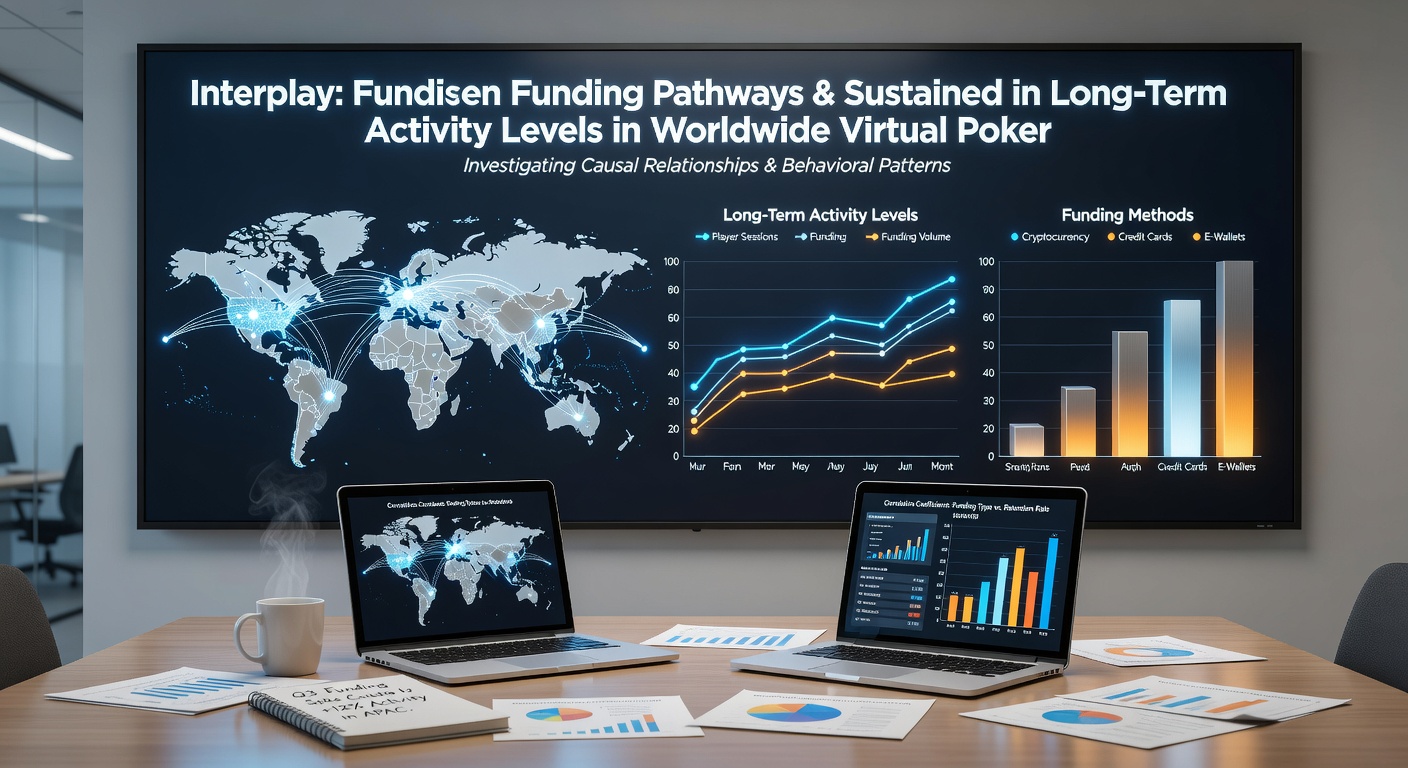
Cross-platform comparisons further illustrate how funding flexibility supports sustained involvement in both cash games and scheduled tournaments. Operators tracking user cohorts over multiple years find that individuals who maintain access to at least three distinct payment channels demonstrate lower attrition rates than those restricted to single options.
Influencing Factors Beyond Transaction Speed
Security perceptions and verification requirements also shape long-term activity, as evidenced by surveys conducted among virtual poker participants worldwide. Communities where operators implement streamlined identity checks alongside varied funding routes experience steadier engagement levels, according to aggregated findings from academic studies on digital gambling behavior. Geographic differences appear again here, with Canadian regulatory data showing that transparent fee structures paired with multiple methods encourage prolonged platform loyalty among recreational users.
Additional research from institutions such as the National Center for Responsible Gaming examines how funding method diversity intersects with responsible play tools, revealing that players who utilize built-in spending controls through their chosen payment systems maintain more balanced activity patterns over time. These observations hold across both established markets and emerging regions where virtual poker continues to expand.
Conclusion
Evidence gathered from transaction records, retention studies, and regional reports underscores measurable connections between funding methods and sustained participation in worldwide virtual poker communities. Patterns identified through ongoing analysis suggest that speed, accessibility, and alignment with local infrastructure each contribute to how players interact with platforms across extended periods. Continued monitoring through mid-2026 and beyond will provide further clarity on these dynamics as payment technologies and regulatory landscapes evolve.