How Regulatory Updates Reshape Signup Flows and Incentive Structures Across Worldwide Virtual Table Platforms
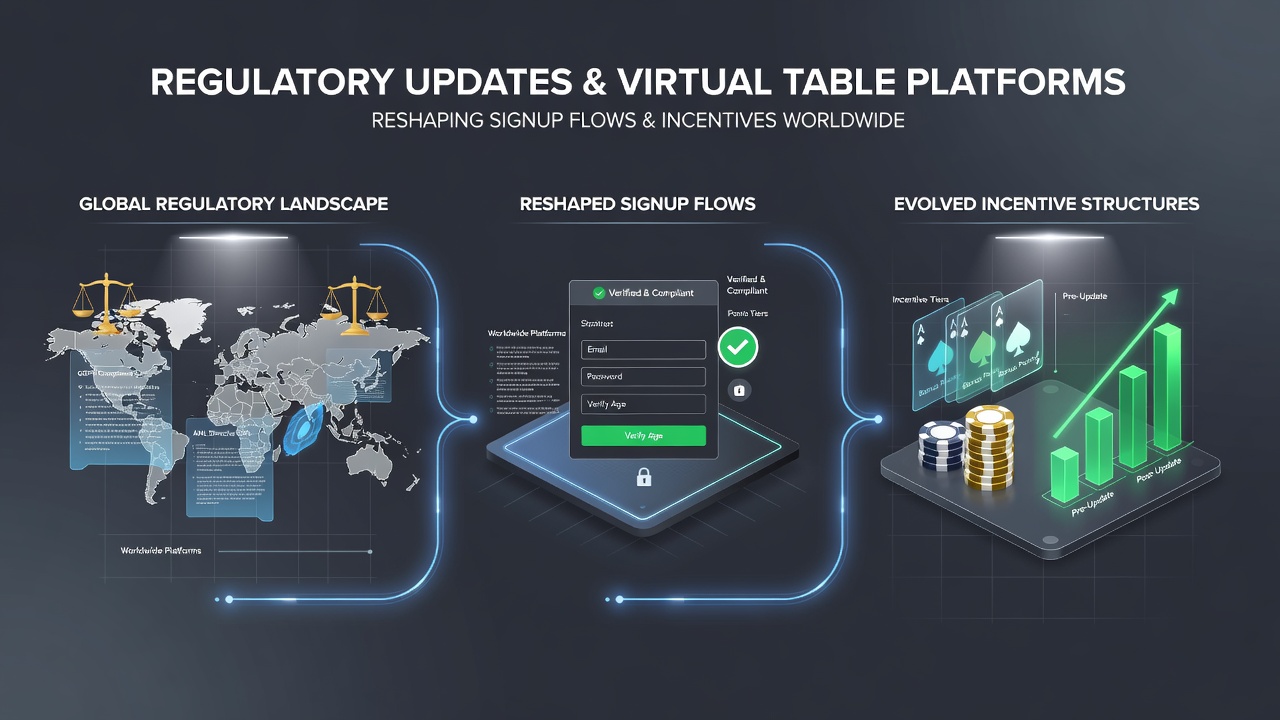
Regulatory shifts continue to alter how virtual table platforms handle player registrations and promotional offerings, with new verification requirements and bonus restrictions appearing across multiple jurisdictions in 2026. Platforms must adjust their onboarding sequences to meet updated compliance standards while maintaining competitive incentive programs that attract users from diverse regions.
European Frameworks Drive Verification Changes
Updates from bodies such as the Malta Gaming Authority and various EU member state regulators have introduced stricter identity checks during initial signups, requiring platforms to integrate real-time document scanning and address validation steps earlier in the registration process. These measures extend verification timelines yet reduce later account freezes because data gets confirmed at the outset. Research from the European Gaming and Betting Association indicates that platforms complying with these standards experience fewer disruptions once players reach deposit stages.
Bonus structures face parallel adjustments because several jurisdictions now cap welcome offers and mandate clear wagering disclosures before any promotion activates. Operators respond by layering loyalty rewards that unlock gradually rather than front-loading large match bonuses, which keeps incentives aligned with local rules while preserving player engagement over longer periods.
North American State-Level Adjustments
Provincial regulators in Canada, including the Alcohol and Gaming Commission of Ontario, implemented fresh guidelines in early 2026 that separate account creation from funding approvals, forcing platforms to redesign mobile flows so users complete basic profiles first and then undergo enhanced checks only when attempting deposits. This separation speeds initial access to game lobbies while routing incentive eligibility through verified funding sources. Similar patterns emerge in U.S. states where newly licensed markets require geolocation confirmations tied directly to signup data, affecting how operators distribute tournament entry credits or deposit matches.
Asia-Pacific Policy Shifts and Platform Responses
Australian authorities through the Australian Communications and Media Authority have tightened rules on cross-border player acquisition, prompting platforms to segment incentive programs by jurisdiction and display region-specific bonus terms during registration. Data from industry reports shows that these segmented structures reduce compliance incidents and maintain clearer audit trails. Platforms operating across multiple Asian markets now embed jurisdiction selectors into signup pages so promotional offers update automatically based on detected location, which streamlines user experience while satisfying varying regulatory demands.

Signup Flow Modifications Across Regions
Observers note that platforms increasingly deploy modular registration systems capable of toggling verification layers depending on the player's detected jurisdiction. One study of multi-market operators revealed that adaptive flows cut average completion times by routing low-risk users through shorter paths while directing higher-scrutiny applicants through additional checks without halting the entire process. Incentive structures follow similar logic because welcome bonuses now activate only after full compliance milestones, replacing blanket promotions with tiered rewards that scale according to verified activity levels.
July 2026 marks the rollout date for several coordinated updates in both European and North American markets, where synchronized changes to responsible gaming disclosures must appear within signup interfaces before any incentive can display. Platforms prepare by pre-loading region-specific consent screens that populate automatically, ensuring users encounter tailored messaging without separate navigation steps.
Incentive Structure Adaptations
Research indicates that loyalty programs grow more prominent as regulators restrict front-loaded bonuses, shifting value toward ongoing rewards such as cashback percentages or milestone credits earned through sustained play. These programs require platforms to track activity across devices while respecting data privacy rules that differ by region, leading operators to implement unified player profiles that aggregate data only after explicit jurisdictional consent. Case examples from operators in multiple markets show that such systems preserve incentive appeal while satisfying audit requirements from diverse regulatory bodies.
Transaction patterns also evolve because some jurisdictions tie bonus eligibility to specific deposit methods, prompting platforms to highlight compliant funding options during the signup sequence rather than after account activation. This integration reduces friction for users who select appropriate methods early and avoids later disqualification from promotional stacks.
Conclusion
Worldwide virtual table platforms continue adapting signup sequences and incentive designs to match evolving regulatory landscapes, with verification timing, bonus caps, and regional segmentation becoming standard components of compliance strategies. Figures from regulatory filings and industry analyses demonstrate measurable shifts in registration completion rates and reward distribution methods as operators align with jurisdiction-specific mandates. These adjustments maintain platform accessibility while ensuring incentive structures operate within approved parameters across global markets.